Using a cervical traction device at home can be an effective way to alleviate neck pain and improve spinal health. Many individuals may wonder how to use a cervical traction device at home safely and effectively. Understanding the correct methods and techniques is essential for optimal results.
Cervical traction devices work by gently stretching the neck. This helps reduce pressure on the spine and can lead to pain relief. It is crucial to follow instructions closely. You may need guidance from a healthcare professional to ensure proper use. Pay attention to how your body responds during the process. Some may experience discomfort initially, which requires adjustment.
Effective utilization involves a balance of consistency and caution. Experimenting with different angles and durations may help. Yet, it is important not to overdo it. Keep track of your progress. Reflect on the effectiveness of your routine. Ultimately, learning how to use a cervical traction device at home can transform your approach to neck health, provided it is done thoughtfully.
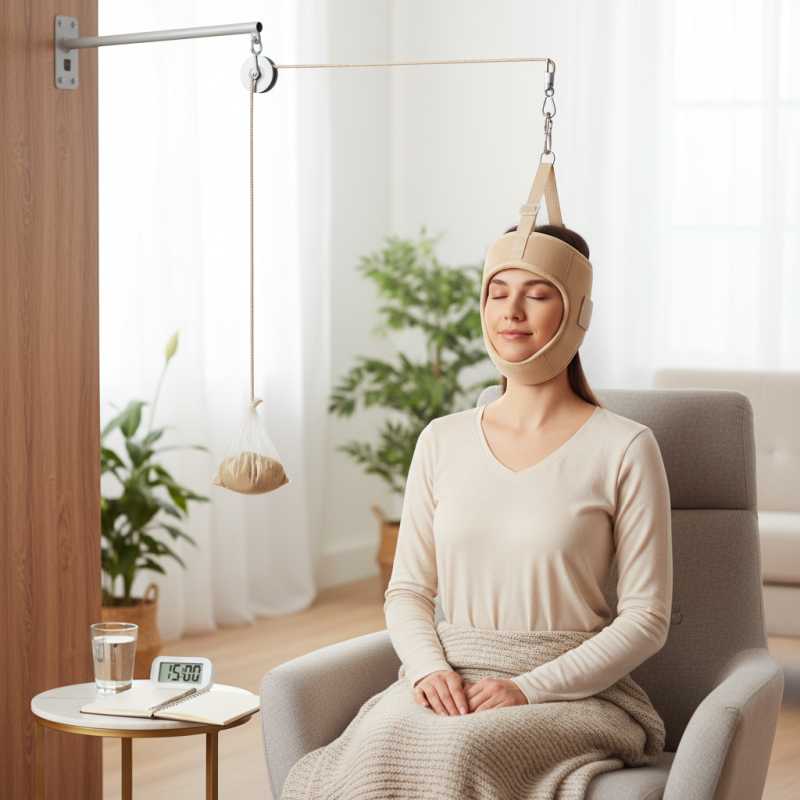
Cervical traction is a method used to relieve neck pain and improve spinal alignment. It involves gently stretching the neck, reducing pressure on the spine. Understanding its benefits helps those suffering from various neck issues, such as herniated discs or muscle tension.
One significant advantage of cervical traction is pain relief. By elongating the spine, it alleviates pressure on nerves and can lead to reduced discomfort. Many report improved mobility after using a cervical traction device. Regular use may enhance overall neck function and promote relaxation.
However, proper usage is vital. Improper application can lead to increased pain or discomfort. Users should proceed cautiously and seek guidance from a healthcare professional. It’s essential to listen to your body's feedback throughout the process. A well-informed approach can make a difference in treatment outcomes.
Cervical traction devices can provide relief at home for neck pain. Understanding the options available is essential. Here are some types to consider for effective home use.
One common type is a portable neck traction unit. This device allows patients to gently stretch the neck. It typically uses air or weights to apply force. Another option is an over-the-door traction system. This method anchors to a door and extends a pulling mechanism to create tension. Both are popular for their ease of use and flexibility.
Tips: Focus on comfort when using these devices. Ensure proper fit to prevent discomfort. Start with shorter sessions to see how your body responds. Always consult with a healthcare professional before beginning traction therapy. They can guide you on the best practices.
Remember, everyone's experience with cervical traction may vary. Keep track of your symptoms. Adjust the usage based on what feels right for you. This approach can help in finding what works best for your neck health.
Setting up a cervical traction device at home can be straightforward. Begin by selecting a quiet and comfortable space where you can relax. Make sure the area is free from distractions. Adjust the device to your neck size. It's essential that it fits snugly but not too tight. This will ensure effective traction without causing discomfort or pain.
Next, follow the device's instructions closely. Most require you to lie down in a supine position. Ensure your head is properly positioned. You may need a pillow for under your head, depending on the device type. When you're ready, slowly activate the traction. The tension should gradually increase. Pay attention to how your body responds. If you feel any strange discomfort, stop and readjust.
As you use the device, take mental notes on your comfort levels. Each session may feel different. Track any changes in pain or discomfort. Remember, consistency matters, but it’s equally important to listen to your body. If something feels off, don’t hesitate to consult a healthcare professional. Regular feedback on your experience is invaluable.
When using a cervical traction device at home, safety is paramount. Always consult with a healthcare professional before starting treatment. This helps ensure it is suitable for your condition. Understand your device’s weight limits and proper usage. Improper use can lead to injury.
Before using the device, check your surroundings. Ensure the area is clear of obstacles to avoid accidents. Position yourself comfortably in a quiet space. Wear clothing that allows easy movement. Take deep breaths to relax your muscles before starting. This can enhance the effectiveness of the traction.
Pay attention to your body during use. If you feel any pain or discomfort, stop immediately. Listen to your body’s signals. Document your experiences to track progress or issues. Reflect on your sessions and adjust as needed. Regular review can help identify what works best for you.
This bar chart illustrates the increasing number of sessions performed with a cervical traction device over six weeks. It highlights the recommended gradual increase in usage frequency as individuals adapt to treatment.
Using a Cervical Traction Device at home can be beneficial. However, expected outcomes may vary for each individual. It's recommended to consult with a healthcare professional before starting use. This ensures the device is right for your specific situation and condition.
When using the traction device, aim for short sessions. Start with 10-15 minutes daily. Gradually increase as comfort allows. Pay close attention to any discomfort or pain during use. You might feel tension, which is normal. However, excessive pain could indicate misuse or an underlying issue. Adjustments may be needed based on your personal experience.
In terms of outcomes, many users report relief from neck pain and improved mobility. Regular use can also lead to better posture over time. Nonetheless, not everyone experiences these benefits. Some might find no change at all. Documenting your experiences will help you and your healthcare provider make informed decisions moving forward. Proper technique and mindfulness during use are key to maximizing the device’s effectiveness.
: Always consult a healthcare professional to ensure it's suitable for your condition.
Make sure the area is clear of obstacles. Choose a quiet space for your session.
Wear comfortable clothing that allows for easy movement.
Start with short sessions of 10-15 minutes daily, then gradually increase as comfortable.
Stop immediately if you feel discomfort or excessive pain. Pay attention to your body’s signals.
Some users report relief from neck pain and improved posture, but results may vary.
Document your sessions, noting any discomfort or improvements. Reflect on your experiences for adjustments.
Yes, mild tension is typical, but avoid excessive pain as it could indicate a problem.
Not everyone experiences improvements. Reflect and discuss your experience with a healthcare provider.
Being mindful can help enhance effectiveness and ensure you are using the device correctly.
Cervical traction devices are effective tools for alleviating neck pain and improving spinal alignment. Understanding how to use a cervical traction device at home involves first recognizing its purpose and benefits, such as reducing pressure on spinal nerves and promoting relaxation. Various types of cervical traction devices are available for home use, each catering to different needs and comfort levels.
To ensure safe and effective use, it is crucial to follow a step-by-step guide for setting up the device properly. This includes adjusting the tension and duration to suit individual comfort levels while adhering to essential safety guidelines and precautions. Users can expect to experience gradual relief and improved mobility, but it's always advisable to consult with a healthcare professional for personalized recommendations regarding usage and overall treatment plans.

Ospiel Medical