Knee discomfort is common in workplaces, gyms, warehouses, and home projects. The World Health Organization reports that musculoskeletal conditions affect approximately 1.71 billion people worldwide. Knee problems represent a significant part of this burden, especially among older adults and physically active workers. These figures explain why ergonomic knee support attracts attention. Still, popularity is not proof.
So, what are the benefits of ergonomic knee support? A well-designed support can distribute pressure more evenly, improve comfort during kneeling, and reduce contact with hard surfaces. Some models also provide gentle compression or stability. The National Institute for Occupational Safety and Health emphasizes that ergonomic solutions should reduce awkward postures, force, and repetitive physical stress. A knee pad or brace may support these goals when matched to the task. It cannot correct every movement problem.
Fit matters. A worker kneeling on concrete may need thick cushioning, while a runner may need flexible compression. A support that slides behind the knee can create new pressure. That detail is easy to miss. The International Organization for Standardization’s ISO 11226 guidance highlights the importance of evaluating awkward working postures, rather than relying on equipment alone. Users should combine knee support with task rotation, sensible lifting technique, brief movement breaks, and proper footwear. The evidence is not perfect, and results vary between people. Persistent swelling, locking, instability, or sharp pain requires assessment from a qualified healthcare professional. Ergonomic support is a practical tool, not a guaranteed cure.
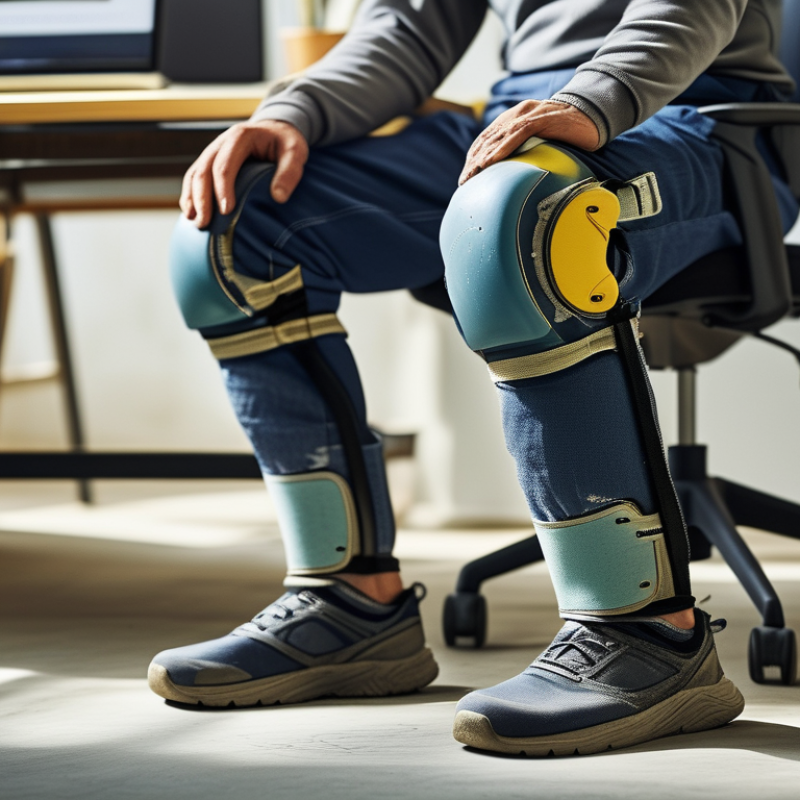
Ergonomic knee support is designed to manage pressure, not eliminate every knee problem. Cushioned knee pads protect the joint during kneeling. Sleeves may provide gentle compression and warmth. Straps can offer limited guidance during movement. The intended benefit is practical: less direct pressure, better comfort, and easier position changes. Fit matters. A support should feel secure without causing numbness, tingling, or skin discoloration.
The World Health Organization reports that 1.71 billion people live with musculoskeletal conditions worldwide (WHO, Musculoskeletal Health). This figure includes many joint and movement-related disorders. NIOSH ergonomics guidance also identifies frequent kneeling, squatting, and awkward postures as workplace risk factors. Use support on a clean, dry knee. Place cushioning directly under the kneecap and surrounding contact area. Keep the knee facing forward. Change position regularly, even when the support feels comfortable. A timer or task rotation can help during long floor-level work.
In practical fitting, users often tighten straps too much. That mistake may restrict circulation and increase discomfort. The device should not replace strength training, rest, or professional assessment. Evidence for long-term pain prevention remains limited, and support designs vary widely. I would treat it as one ergonomic adjustment, not a complete solution. Stop using it when swelling, sharp pain, or persistent numbness appears. Seek qualified medical advice when symptoms continue.
Start with your symptoms and activity, not appearance. A light sleeve may suit mild swelling or exercise. A hinged brace may offer more stability after a ligament injury. Persistent pain needs professional assessment.
Measure your relaxed thigh and calf. Compare both measurements with the sizing chart. It should feel secure, never numb or painfully tight. Fit matters more than thickness.
Wear it while standing and walking. Try stairs, gentle squats, or a short walk. Check for slipping, tingling, cold skin, or discoloration. Try it slowly.
No. It may reduce strain during selected activities. It cannot correct weak hips, poor footwear, unsafe lifting, or every source of pain. I once assumed tighter meant safer, but that was incomplete.
Wear it during activities that need extra support. Check your skin and comfort regularly. Remove it if pain, swelling, numbness, or unusual warmth develops. Do not ignore warning signs.
Follow its care label. Without instructions, hand wash it with mild soap and cool water. Rinse thoroughly, press out water, and air-dry away from direct heat. Avoid bleach and hot dryers.
Sweat and trapped moisture may cause irritation. Do not wear support over wet skin, open wounds, or irritated areas without professional advice. Wash your skin after exercise. Small details matter.
Inspect it before every use. Replace it when straps stretch, stitching loosens, fasteners crack, or padding flattens. Repeated slipping, lasting odor, or discomfort also signals replacement. Do not wait for complete failure.
Ergonomic knee support is designed to improve comfort, stability, and movement by distributing pressure more evenly around the knee. When considering what are the benefits of ergonomic knee support, users may experience reduced strain during daily activities, improved joint alignment, and added confidence while walking, exercising, or working. Choosing the right support depends on your activity level, fit, flexibility, material, and the amount of compression or stability required. It should feel supportive without causing pain, numbness, or restricted circulation.
Before use, clean and dry the knee and inspect the support for damage. Put it on according to its design, position it over the knee joint, and adjust the straps or panels evenly so it stays secure without being too tight. During use, check your comfort and remove it if irritation or unusual discomfort occurs. Clean the support regularly according to its care instructions, allow it to dry completely, and replace it when the material becomes stretched, damaged, or unable to provide reliable support.

 Ospiel Medical