Why Is My Wheelchair Cushion Bottoming Out Solutions?

Time:2026-05-19 Author:Amelia
0%

Understanding "why is my wheelchair cushion bottoming out" is crucial for wheelchair users. A study from the National Pressure Ulcer Advisory Panel highlights that up to 25% of wheelchair users experience pressure-related injuries. These injuries often stem from inadequate cushioning systems. If your cushion feels flat, it could signal wear or inappropriate sizing.

Wheelchair cushions are designed to prevent bottoming out. Prices range from $50 to over $500, depending on the materials and technology used. However, many users overlook proper maintenance. Regularly inspecting your cushion can help identify deterioration. If you notice sinking or loss of support, it’s time to replace or adjust your cushion.

Reflecting on your comfort is vital. Users should ask, “Is my cushion doing its job?” A softer cushion may feel nice initially but may not provide adequate support. Always seek solutions from healthcare professionals. Investing in suitable options can lead to better health outcomes and a higher quality of life.
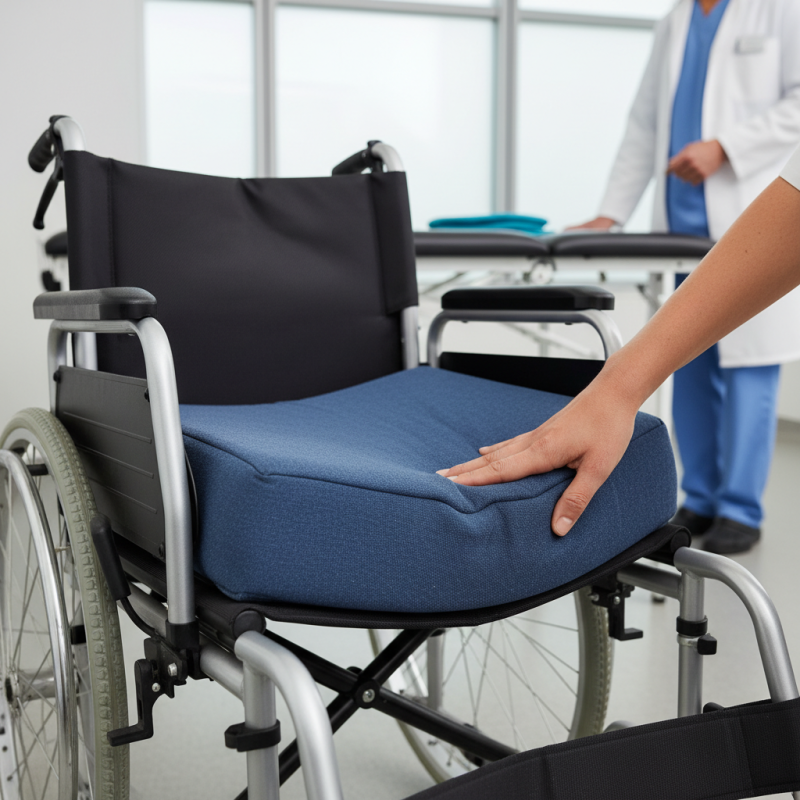
Why Is My Wheelchair Cushion Bottoming Out Solutions?

Understanding Wheelchair Cushion Bottoming Out

Wheelchair cushion bottoming out is a common issue that many users experience. This occurs when the cushion loses its ability to distribute weight effectively. It can lead to discomfort and potential health risks. Understanding this phenomenon is crucial for enhancing mobility and comfort.

To address cushion bottoming out, it's essential to consider various factors. A cushion's material composition plays a significant role. Foam cushions can compress over time, losing their supportive qualities. Regular inspections can help identify wear and tear. Additionally, a cushion that does not fit properly may lead to inadequate support. Always assess the dimensions and adapt accordingly.

Maintaining proper care extends the life of a cushion. Cleaning it regularly removes dirt that can affect its performance. Occasionally, a professional assessment might reveal underlying issues. Recognizing that every user's needs are unique is vital. There is no one-size-fits-all solution here, so experimenting with different options is often necessary. Through continuous reflection and adjustment, users can find their ideal balance of comfort and support.

Common Causes of Wheelchair Cushion Compression

When using a wheelchair cushion, compression can lead to discomfort and additional health issues. Common causes include insufficient cushion material, user weight, and prolonged sitting time. A study by the National Pressure Injury Advisory Panel highlights that inadequate support can increase the risk of pressure ulcers for those relying on wheelchairs.

It’s essential to choose a cushion designed to distribute weight evenly. Many healthcare professionals recommend using cushions with higher densities. However, many users overlook the importance of regular inspection and maintenance. Deformation can happen over time, resulting in inadequate support. According to a report from the American Physical Therapy Association, a well-fitted cushion can significantly lower the risk of pressure injuries.

Tips: Regularly check your cushion for signs of wear. Rotate it every few weeks to maintain its shape. Adjust your sitting position frequently to alleviate localized pressure points. Taking short breaks from the chair can also help reduce compression risk. Maintain a healthy weight to avoid excess stress on the cushion.

Identifying Signs of Cushion Bottoming Out

Identifying signs of cushion bottoming out is crucial for individuals using wheelchairs. A proper cushion provides necessary support. When it fails, discomfort is inevitable. Look for visible indications like significant deformation. If your cushion feels noticeably flatter, it might be time for a replacement.

Another sign to watch for is increased pressure discomfort. If you experience pain after sitting for a short time, your cushion may not be providing the needed support. Pay attention to how your skin feels against the cushion. If you notice redness or soreness, it could indicate that the cushion has bottomed out.

Don't overlook changes in posture. If you find yourself shifting frequently or leaning to one side, your cushion may no longer fit your needs. Consider consulting a specialist to assess your situation. An expert can provide insights that are often overlooked. This reflection can lead to better choices around your seating solution.

Why Is My Wheelchair Cushion Bottoming Out Solutions? - Identifying Signs of Cushion Bottoming Out

Solutions to Prevent Cushion Bottoming Out

When it comes to wheelchair cushions, bottoming out can be a frustrating issue. The sensation of hitting the hard seat can lead to discomfort and potential skin problems. To address this, there are several strategies you can implement to prevent cushion bottoming out.

One effective solution is adjusting the inflation of air-filled cushions. If the cushion feels too soft, it may bottom out easily. Make sure to inflate it according to the manufacturer’s guidelines. Similarly, check for wear and tear. Over time, cushions may lose support or structure. If you notice significant degradation, it may be time for a replacement.

Another way to enhance the cushion is by layering additional materials. Consider using a gel or foam layer under the primary cushion. This added support can significantly distribute your weight more evenly. Testing different configurations can lead to the ideal setup. However, finding the right combination might take time and adjustments. Don’t be discouraged if your first attempts aren’t perfect. Each adjustment helps you inch closer to a comfortable solution.

Why Is My Wheelchair Cushion Bottoming Out Solutions? - Solutions to Prevent Cushion Bottoming Out

Issue Feedback Potential Solutions Notes
Excessive Pressure Users report discomfort after prolonged sitting. Consider using a cushion with gel or air support. Regularly check inflation levels if using an air cushion.
Cushion Deformity Cushion has lost its shape and support. Replace with a new cushion designed for durability. Look for cushions with warranties against defects.
Incorrect Size Cushion is not fitting properly on seat. Ensure cushion dimensions match the wheelchair seat. Take measurements before purchasing.
Moisture Build-Up Cushion feels damp and uncomfortable. Consider moisture-wicking covers for the cushion. Regularly clean and dry the cushion to prevent mold.
Excess Weight Cushion is compressing due to heavier users. Switch to a high-load capacity cushion. Consult healthcare provider for the best option.

Choosing the Right Cushion for Optimal Support

Choosing the right wheelchair cushion is essential for optimal support and comfort. A proper cushion can alleviate pressure, reduce the risk of skin breakdown, and enhance overall mobility. According to the American Physical Therapy Association, nearly 33% of individuals using wheelchairs experience pressure injuries. Selecting the right cushion can significantly lower this statistic.

When choosing a cushion, consider materials and design. Gel, foam, and air cushions each have unique benefits. Foam provides stability, while gel cushions offer better pressure distribution. Air cushions are great for adjusting to body contours. However, the choice depends on individual needs. User habits and lifestyle play a crucial role in this decision-making process.

Tips for Cushion Selection:
- Evaluate your daily activities. If you are active, look for a cushion that offers both support and mobility.
- Test different cushions before purchase. Comfort is subjective, and personal testing ensures the best fit.
- Regularly inspect your cushion for wear and tear. A worn-out cushion can lead to discomfort and underlying health risks.

FAQS

: What is wheelchair cushion bottoming out?

: It occurs when the cushion can’t distribute weight effectively, causing discomfort.

Why does cushion bottoming out happen?

Over time, cushions may lose supportive qualities due to material compression.

How can I maintain my wheelchair cushion?

Regularly clean it to remove dirt and inspect for wear to extend its life.

What should I consider when choosing a cushion?

Evaluate materials, design, and how they align with your daily activities.

What types of cushions are available?

Options include foam for stability, gel for pressure distribution, and air for contour adjustment.

How can I ensure my cushion fits properly?

Assess its dimensions and test different cushions to find the best personal fit.

How often should I inspect my cushion?

Regular inspections help identify deterioration which can lead to health risks.

Can a professional assess my cushion?

Yes, a professional can identify underlying issues that you might miss.

Is there a one-size-fits-all cushion?

No, every user has unique needs, so experimentation with options is often necessary.

How do my activities influence cushion choice?

Active users may need a cushion that offers both support and mobility.

Conclusion

Understanding why is my wheelchair cushion bottoming out is essential for maintaining comfort and preventing complications. Wheelchair cushion compression can occur due to several factors, including insufficient material quality, prolonged use, or inadequate maintenance. Identifying the signs of bottoming out—such as increased discomfort or pressure sores—is crucial for timely intervention.

To address this issue, regular assessments of the cushion should be conducted, and proactive solutions can be implemented. These include adjusting the cushion settings if possible, enhancing cushion maintenance, or upgrading to a more suitable cushion that provides optimal support. By focusing on these strategies, users can ensure greater comfort and health while using their wheelchairs.

Amelia

Amelia

Amelia is a seasoned marketing professional with a wealth of expertise in our company’s core offerings. With an unwavering passion for driving growth and innovation, she plays a pivotal role in shaping our marketing strategies and enhancing brand visibility. A key aspect of her responsibilities......